Let Your Home Do The Heavy Lifting

Today we dive into Smart Home Automations That Cut Daily Chores in Half, turning everyday mess and mental load into calm, reliable routines. Expect practical workflows, friendly tips, and real stories that translate scattered actions into effortless habits. We’ll pair triggers, sensors, and schedules so tasks happen with minimal tapping, fewer interruptions, and more time for what actually matters. If you’ve ever wished the house would just take care of itself a little more, this is your blueprint to start confidently and enjoy results fast.

Start With What Steals Your Time

Before buying shiny gadgets, capture the chores that repeatedly disrupt your day and mood. Trace when and where they occur, who is involved, and why they stall. We’ll convert frustrations into clear triggers, conditions, and actions, so automations feel natural, respectful, and truly helpful rather than distracting novelties that require endless maintenance.

Audit Your Day, Room by Room

Walk through a typical weekday and weekend, noting messes, bottlenecks, and reminders you constantly repeat. Identify the exact moment a task begins to feel heavy: the first crumb, the overflowing hamper, the sink after dinner. This simple observation yields precise opportunities for sensors, timers, and routines to reduce friction while preserving your preferences.

Translate Pain Points Into Triggers

Once patterns surface, define triggers like motion, time, humidity, or presence. Pair them with conditions that respect sleep, meetings, or quiet hours, and actions that are short, reliable, and reversible. By mapping real annoyances to concrete signals, your automations respond intelligently to life, not just abstract schedules that ignore changing family rhythms.

Beat Crumbs With Zoned Cleaning

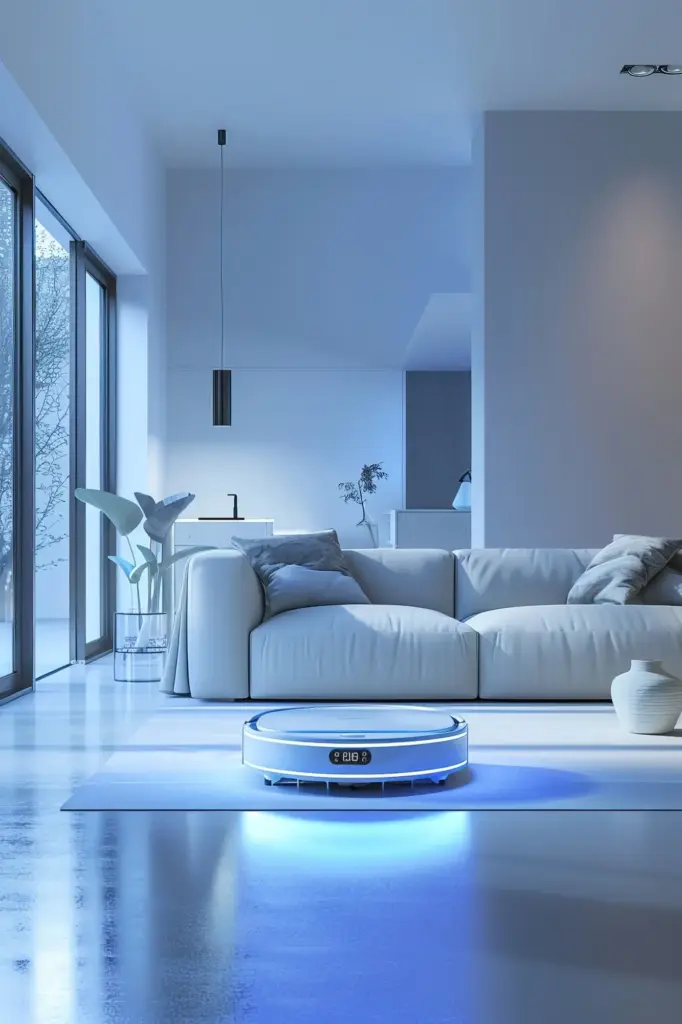
Configure your robot to clean under the dining table fifteen minutes after meals, the entryway after school arrivals, and the kitchen every night. Geofencing can nudge a quick run when everyone leaves. Short, frequent zone passes collect mess before it spreads, reducing deep cleans and saving surprising amounts of weekend energy and patience.

Mop Without Lifting a Bucket

Pair a robot mop with a humidity threshold in bathrooms and kitchen. When sensors detect steamy showers or boiling pasta nights, light mopping routines trigger later, once floors are safe and quiet. This balances cleanliness with comfort, preventing inconvenient runs, soggy rugs, and clashing schedules while keeping spills and footprints from becoming stubborn stains.

Kitchen Shortcuts You Can Taste

A few connected tweaks tame dinner chaos: timed preheats, voice-timed steps, inventory nudges, and dish cycles that start themselves. Automations can gently coordinate players like multicookers, smart plugs, labels, and sensors so cookware warms on cue, groceries don’t surprise you, and cleanup begins while you enjoy the meal, not after exhaustion wins.

Inventory That Updates Itself

Use barcode scanning or a simple photo routine when unpacking groceries, and set low-stock alerts tied to your preferred ingredients. A weekly automation compiles a draft meal plan and shopping list based on what remains. Instead of last-minute scrambles, you cook with confidence, reduce waste, and free decision-making energy for tastier, calmer evenings.

Hands-Free Cooking Timelines

Link your voice assistant to multi-step timers labeled for tasks like marinating, preheating, and resting. A routine can announce the next step through kitchen speakers, adjust lights warmer as food finishes, and music softer as plating begins. This choreography turns dinner into an easy flow, even with interruptions, kids, or guests drifting through conversations.

Laundry That Practically Runs Itself

Laundry gains speed when cycles align with your day. Smart notifications prevent wrinkles, automatic dosing stops waste, and reminders cluster during times you actually fold. With a few sensors and routines, hampers empty predictably, machines don’t sit idle, and everyone knows the next simple step without long, frustrating chore negotiations.

Smart Starts and Wrinkle-Free Finishes

Schedule the washer to end near the moment you return home, guided by commute-based presence data. A dryer cycle can delay until post‑dinner quiet hours, then periodically tumble to prevent wrinkles if folding lags. These small timing alignments prevent do-overs, wasted detergent, and that familiar sinking feeling when fresh clothes sour again.

Detergent Dosing Without Guesswork

Use machines with automatic dosing or add simple reminders that match load size to measured pods or liquid. Track usage to restock before you completely run out. Removing measurement friction reduces spills, protects fabrics, and quietly standardizes results, which means fewer complaints, fewer redos, and a much lighter mental load every single week.

Presence, Voice, and Context

The best routines sense when people are home, busy, or asleep. Presence from phones, Wi‑Fi, and motion combines with voice commands and calendars, shaping chores around life. Automations that respect context feel like considerate helpers, not bosses, cutting interruptions and transforming reminders into timely cues that arrive only when they can help.

Arrival Triggers That Welcome and Work

When the last person leaves, cleaning and dish cycles can queue. When someone returns, lights favor warmth, and chores pause to keep the entry calm. Geofencing plus occupancy sensors helps avoid false starts. These signals orchestrate small, helpful actions so chores progress while no one is inconvenienced, and comfort always takes respectful priority.

Voice That Actually Gets Things Done

Create plain-language voice shortcuts that trigger reliable routines, not complicated scripts. Instead of micromanaging devices, say one phrase that resets the kitchen, starts laundry prep, or queues floor cleaning for later. By designing these shortcuts around outcomes, you reduce cognitive load and reclaim time otherwise spent fiddling with individual apps and settings.

Proof It Works: Metrics and Stories

Track minutes saved like a budget. Count reduced weekend resets, fewer frantic weeknights, and calmer mornings. Ask your household what feels lighter. Share wins, missteps, and refinements. These measurements encourage better routines, celebrate momentum, and inspire others to try approachable setups that deliver lasting relief rather than another drawer of abandoned gadgets.

Measure Minutes Like Money

Log baseline chore times for two weeks, then compare after deploying two or three automations. Watch for downstream effects: tidier floors mean faster decluttering; timely dish cycles reduce late-night stress. Celebrate small percentages, because they compound weekly. Data-backed happiness quiets doubts and keeps improvements focused on what genuinely makes family life easier.

Fix the Friction, Not the Gadget

When something annoys you, diagnose the trigger or condition instead of replacing devices. Maybe the schedule ignores naps, or notifications are too loud. Adjust timing, sensitivity, or announcements. Your goal is smoother experiences, not tech for tech’s sake. Iteration keeps routines humane, resilient, and worthy of trust on unpredictable, very real days.